If you’ve had a stroke or neurologic injury, you may have experienced this:
At first, progress feels fast.
You’re checking off milestones almost daily.
Then suddenly… it slows down. Or even stops.
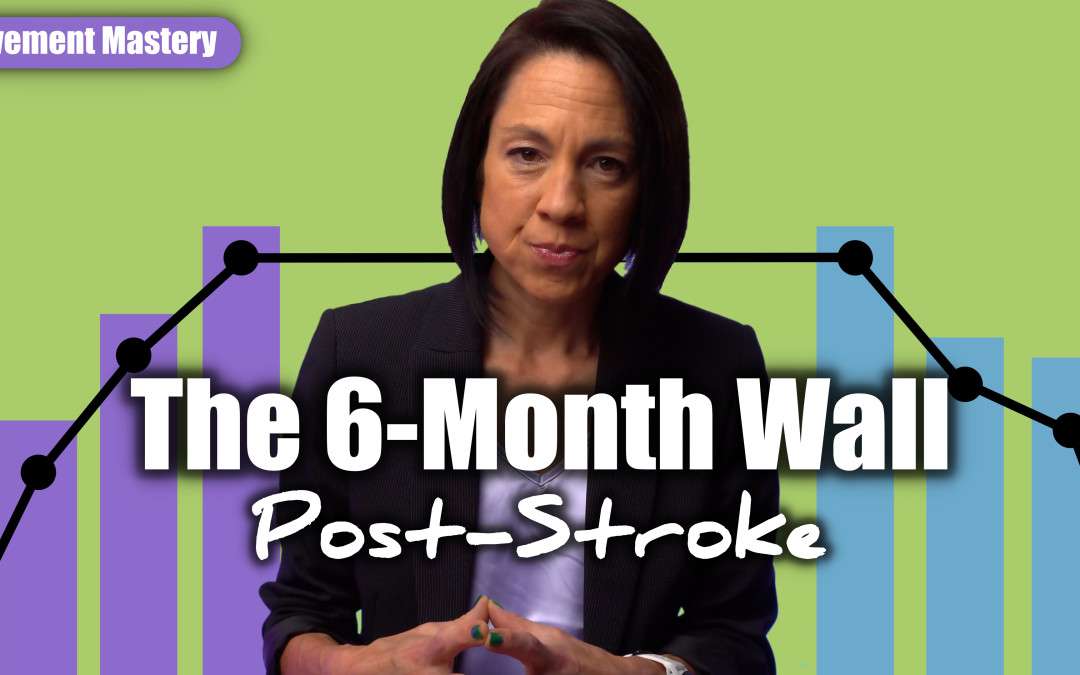
If you’re in that 3–6 month window and feel stuck with walking, foot drop, or ankle weakness—this is not a failure.
It’s a predictable phase of neurologic recovery.
And more importantly:
What you do during this phase can determine how far you recover.
Why Stroke Recovery Slows Down at 3–6 Months
This stage—often called the stroke recovery plateau—happens for three main reasons:
1. Your Brain Shifts From “Recovery Mode” to “Learning Mode”
Early after a stroke, your brain is in spontaneous recovery:
- Swelling decreases
- Blood flow improves
- Neural connections begin to re-activate
This creates fast, automatic progress.
But around 3–6 months:
- That automatic recovery slows down
- Your brain transitions to neuroplasticity-driven learning
👉 Translation:
Progress doesn’t stop—but now it depends on practice, repetition, and precision.
2. Movement Becomes Harder Due to Spasticity & Poor Coordination
Many stroke survivors notice:
- Stiff walking
- Difficulty bending the knee
- Foot dragging or foot drop
- Awkward or effortful steps
This is often due to:
- Spasticity (muscles staying “on” when they should relax)
- Abnormal movement patterns (synergies)
- Loss of smooth coordination
Early on, these patterns can actually create movement, which feels like progress.
But later?
They start to limit real, functional walking recovery.
3. Physical Changes Make Movement More Difficult
During the first few months:
- You may spend more time sitting or lying down
- Muscles begin to shorten and stiffen
Common problem areas:
- Hip flexors
- Hamstrings
- Calves
- Arm flexors
This creates resistance when you try to:
- Stand
- Walk
- Bend your knee
- Lift your foot
4. Emotional Fatigue & Motivation Drop
This is the part most people don’t expect.
Around 3–6 months, many people experience:
- Frustration (“Why did I stop improving?”)
- Anxiety or depression
- Loss of motivation
- Grief over lost abilities
And here’s the critical insight:
👉 You may still be improving—but it feels like you’re not.
The Biggest Mistake During a Stroke Recovery Plateau
When progress slows, most people respond by:
- Trying harder
- Doing more exercises
- Forcing movement
But this often leads to:
❌ Reinforcing poor movement patterns
❌ Increased spasticity
❌ More frustration
What Actually Works: How to Keep Improving After a Stroke
1. Shift From “Effort” to “Precision”
At this stage, your brain is highly sensitive to:
- What you practice
- How you practice
👉 Every repetition is training your brain.
Focus on:
- Controlled movement
- Isolated joint motion
- Smooth coordination
2. Prioritize Quality Over Quantity
More reps ≠ better results.
Better reps = better results.
Instead of:
- Mindless repetition
Do this:
- Slow down
- Pay attention
- Be intentional
3. Train Walking the Right Way (Critical for Foot Drop & Stiff Gait)
If you’re struggling with:
- Foot drop
- Stiff leg walking
- Poor knee bend
The issue is often timing and coordination—not just strength.
Focus on:
- Letting muscles relax at the right time
- Restoring natural movement sequence
- Practicing rhythm—not force
4. Use Focused Attention (This Is Non-Negotiable)
This is where most people lose progress.
If you’re:
- Using electrical stimulation while scrolling your phone
- Doing exercises without focus
You’re missing the opportunity for real brain change.
👉 Your brain needs attention + intention to rewire.
5. Stay Consistent—Even When Progress Feels Slow
This is where the “1%ers” separate themselves.
They:
- Show up consistently
- Train with intention
- Don’t quit during the plateau
And over time?
They outperform expectations.
Is the Stroke Recovery Plateau Permanent?
No.
But it can become permanent if:
- You stop practicing
- You reinforce poor movement patterns
- You lose consistency
The plateau is not the end.
It’s the transition point where recovery becomes skill-based.
At Rehab HQ, this plateau phase is where progress becomes intentional.
Focus is placed on:
- Breaking out of poor movement patterns
- Reducing stiffness and spasticity
- Improving coordination and walking mechanics
- Building confidence to keep progressing
Final Takeaway: This Is the Most Important Phase of Your Recovery
If you’re in the 3–6 month window:
- You are not behind
- You are not broken
- You are exactly where your brain expects you to be
But now:
👉 Progress depends on how you train
If you do this right, this phase can become:
The turning point—not the stopping point—of your recovery.
Articles you may be interested in
Does Stroke Recovery Ever End? How to Improve Walking Years After a Stroke
https://www.youtube.com/watch?v=EkgoxFfroX4 If you have had a stroke, you may wonder how long recovery will take. Will you walk normally again? Is it still worth doing exercises years after your stroke? And how do you know when you have reached your full...

Why Pain and Nutrition Matter for Spasticity After Stroke
https://www.youtube.com/watch?v=_EdQGkOx4kw Have you ever woken up one morning feeling like your affected leg is moving a little more easily, only to find that the next day your ankle feels stiff, your foot wants to point downward, or your arm feels tighter...

Why Is Spasticity Worse Some Days? 3 Factors That Can Affect Spasticity After Stroke
https://www.youtube.com/watch?v=iBcU4c8kiqc If you live with spasticity after a stroke or other neurologic injury, you may have noticed something frustrating: Some days your muscles feel relatively loose and manageable. Other days, they seem much tighter. Your...

Spasticity Treatment After Stroke: Why Stretching Alone Isn’t Enough
https://www.youtube.com/watch?v=Vw8Y55f-sLY If you experience muscle stiffness, involuntary contractions, or difficulty moving your arm or leg after a stroke or neurologic injury, you've probably been told to stretch. But what if stretching alone isn't enough?...

Spasticity After Stroke: Why Your Muscles Feel Stiff
https://www.youtube.com/watch?v=mvDk3dMmc6E Muscle stiffness is one of the most common movement problems after a stroke or neurologic injury. Your arm may want to stay bent, your knee may feel stiff when walking, or your ankle and foot may constantly point...

Red Light Therapy After Stroke: Can It Help Support Brain Recovery?
https://www.youtube.com/watch?v=BFJzu1f2jEE Recovering after a stroke involves more than rebuilding strength or practicing movements. The brain itself is going through changes that can affect energy production, inflammation, blood flow, and its ability to form...

How to Improve Backward Stepping After a Stroke or Neurologic Injury
https://www.youtube.com/watch?v=FdYMY6Xj1fM Walking forward gets most of the attention in neurologic rehabilitation. But there is another movement that can have a major impact on your balance, confidence, and independence: Stepping backward. Think about how...

Stroke Recovery Treatments: How to Tell What May Actually Help
https://www.youtube.com/watch?v=nZWj2vVtDfw After a stroke or neurologic injury, it’s natural to look for anything that might improve recovery. Supplements. Devices. Electrical stimulation. New procedures. Hyperbaric oxygen therapy. Products promising to...

Finished Physical Therapy But Still Struggling to Walk? What to Do Next After Neurologic Injury
https://www.youtube.com/watch?v=WDf-dB2imTc Have you been told that you've met all of your physical therapy goals, but you still don't feel like you're moving normally? Maybe you can walk independently, but your walking still feels awkward or exhausting. Maybe...

Dead Leg After Stroke: Why Your Leg Won’t Move and How to Wake It Up
https://www.youtube.com/watch?v=cw7PIULok74 If your leg feels completely “dead” after a stroke—like you can think about moving it, try to move it, and nothing happens—you may be dealing with more than simple weakness. For some stroke survivors, the affected leg...


