If you have had a stroke, you may wonder how long recovery will take. Will you walk normally again? Is it still worth doing exercises years after your stroke? And how do you know when you have reached your full potential?
These are understandable questions, especially when progress slows and rehabilitation requires ongoing time and effort.
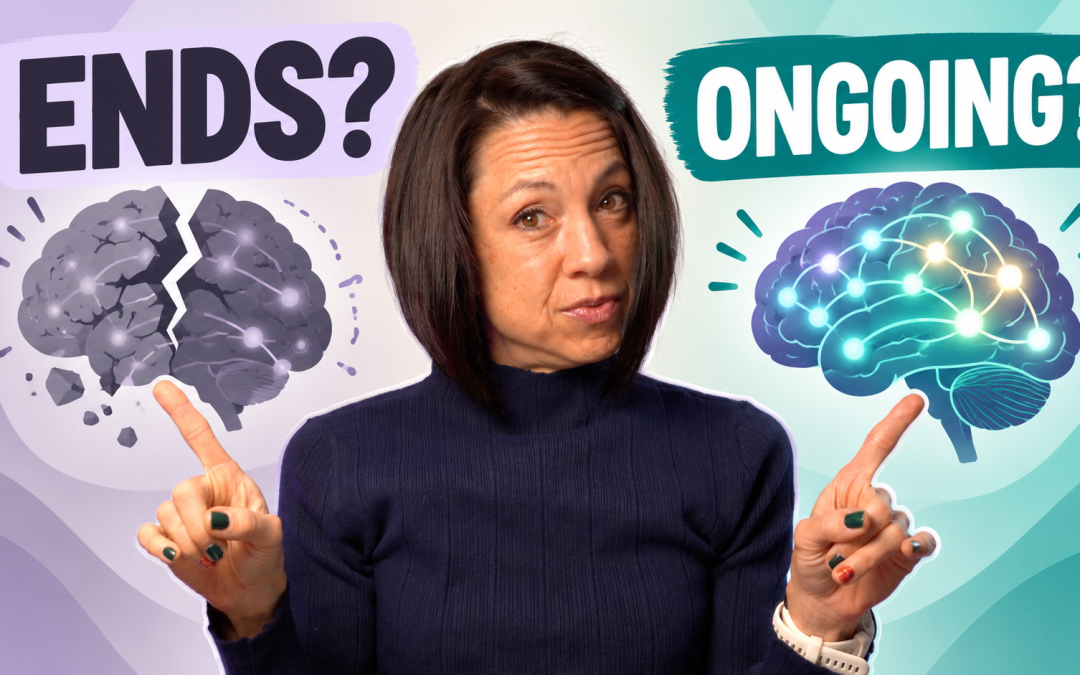
You may have heard that stroke recovery stops after six months, one year, or 18 months. However, these timeframes are not absolute deadlines for recovery. Progress is often fastest during the earlier stages, but improvements in walking, balance, and movement may still be possible months or even years later.
The amount of progress varies from person to person, and there is no single timeline that applies to everyone.
What Factors Affect Your Stroke Recovery Timeline?
Your recovery depends on more than the amount of time that has passed since your stroke. Several factors can influence your progress, including:
- Stroke severity and location: The size and location of the stroke can affect which movements and abilities are impaired.
- How early rehabilitation begins: Starting rehabilitation early and participating in appropriately intensive therapy can be valuable.
- Consistency with exercises: Regular, focused practice gives you opportunities to work on specific movement skills.
- Other health conditions: Pain, spasticity, sleep difficulties, and other health concerns can affect your ability to participate in rehabilitation.
- Vision and sensory changes: Difficulties with awareness of your affected side, balance, or vision can influence walking and mobility.
- Your personal goals: Improving walking speed is different from walking without an assistive device or returning to independent community mobility.
Understanding these factors can help you set more realistic expectations and identify areas that may deserve attention.
Can You Improve Your Walking Years After a Stroke?
Yes, walking improvements may still be possible years after a stroke.
Recovery does not necessarily mean returning to exactly the same walking pattern you had before your injury. Progress may involve smaller but meaningful changes, such as:
- Walking at a faster speed.
- Spending more equal amounts of time standing on each leg.
- Reducing some compensatory walking patterns.
- Improving knee control during walking.
- Managing stiffness and spasticity more effectively.
- Improving mobility enough to safely reduce reliance on an assistive device, when appropriate.
The type and extent of improvement will vary. Walking may not become completely normal, and changes to an assistive device should always be discussed with your rehabilitation team.
One important consideration is how you practice. If you want to improve a specific part of your walking, simply walking more may not address the movement pattern you want to change. Slowing down and focusing on individual components of movement may be necessary.
What If Your Stroke Recovery Has Plateaued?
When progress slows, it can feel as though you have reached your limit. But slower progress does not automatically mean that further improvement is impossible.
Consider what your rehabilitation routine has looked like recently. Have you reduced the amount of time you spend exercising? Has formal therapy ended? Are you spending more time sitting and less time practicing movement?
Changes in routine and consistency may contribute to a period when progress becomes less noticeable.
Rather than assuming that your brain can no longer improve, review your goals and recent activity with your physical therapist. You may need to adjust your exercises, focus on a more specific movement, or establish a more sustainable routine.
Progress may become less dramatic over time, so it is also important to recognize smaller improvements.
When Can You Stop Stroke Rehabilitation Exercises?
There is no universal point at which everyone should stop rehabilitation exercises.
Your needs and priorities may change over time. You may have periods when you devote more energy to rehabilitation and others when you focus on family, hobbies, work, or community activities.
However, reducing your rehabilitation routine may also mean that you need to adjust your expectations. Movement skills can require ongoing practice, and some people notice that previously improved walking or foot clearance becomes more difficult when their routine changes.
The goal is not necessarily to spend every day doing hours of therapy. It is to find a sustainable way to remain active, practice meaningful movements, and maintain the abilities that matter to you.
Work with your healthcare team to determine what is appropriate for your circumstances.
Stop Focusing Only on When Recovery Will Happen
It is natural to want a timeline. But repeatedly asking how long recovery will take may leave you discouraged, particularly when your progress does not match your expectations.
Try shifting some of that attention toward a more specific question: What is one meaningful thing I want to improve, and why does it matter to me?
Perhaps you want to walk more confidently around your home, visit your grandchildren, or feel safer getting in and out of a car. A clear, personally meaningful goal can help you decide which skills deserve your attention.
Break that goal into smaller steps, practice consistently, and reassess your progress over time.
Want More Guidance for Your Recovery?
At Rehab HQ, our Gold Membership gives you access to a library of home exercises designed to break down movements and functional skills into actionable steps, along with educational webinars, monthly Q&A sessions, office hours, and a community of people working toward better mobility.
Whether you’re working on walking, managing foot drop, improving ankle control, or building greater independence after a neurologic injury, our goal is to help you understand your options and feel more empowered in your recovery.
Explore the Rehab HQ Gold Membership to learn more about the resources available to support your rehabilitation journey.
Articles you may be interested in

Why Pain and Nutrition Matter for Spasticity After Stroke
https://www.youtube.com/watch?v=_EdQGkOx4kw Have you ever woken up one morning feeling like your affected leg is moving a little more easily, only to find that the next day your ankle feels stiff, your foot wants to point downward, or your arm feels tighter...

Why Is Spasticity Worse Some Days? 3 Factors That Can Affect Spasticity After Stroke
https://www.youtube.com/watch?v=iBcU4c8kiqc If you live with spasticity after a stroke or other neurologic injury, you may have noticed something frustrating: Some days your muscles feel relatively loose and manageable. Other days, they seem much tighter. Your...

Spasticity Treatment After Stroke: Why Stretching Alone Isn’t Enough
https://www.youtube.com/watch?v=Vw8Y55f-sLY If you experience muscle stiffness, involuntary contractions, or difficulty moving your arm or leg after a stroke or neurologic injury, you've probably been told to stretch. But what if stretching alone isn't enough?...

Spasticity After Stroke: Why Your Muscles Feel Stiff
https://www.youtube.com/watch?v=mvDk3dMmc6E Muscle stiffness is one of the most common movement problems after a stroke or neurologic injury. Your arm may want to stay bent, your knee may feel stiff when walking, or your ankle and foot may constantly point...

Red Light Therapy After Stroke: Can It Help Support Brain Recovery?
https://www.youtube.com/watch?v=BFJzu1f2jEE Recovering after a stroke involves more than rebuilding strength or practicing movements. The brain itself is going through changes that can affect energy production, inflammation, blood flow, and its ability to form...

How to Improve Backward Stepping After a Stroke or Neurologic Injury
https://www.youtube.com/watch?v=FdYMY6Xj1fM Walking forward gets most of the attention in neurologic rehabilitation. But there is another movement that can have a major impact on your balance, confidence, and independence: Stepping backward. Think about how...

Stroke Recovery Treatments: How to Tell What May Actually Help
https://www.youtube.com/watch?v=nZWj2vVtDfw After a stroke or neurologic injury, it’s natural to look for anything that might improve recovery. Supplements. Devices. Electrical stimulation. New procedures. Hyperbaric oxygen therapy. Products promising to...

Finished Physical Therapy But Still Struggling to Walk? What to Do Next After Neurologic Injury
https://www.youtube.com/watch?v=WDf-dB2imTc Have you been told that you've met all of your physical therapy goals, but you still don't feel like you're moving normally? Maybe you can walk independently, but your walking still feels awkward or exhausting. Maybe...

Dead Leg After Stroke: Why Your Leg Won’t Move and How to Wake It Up
https://www.youtube.com/watch?v=cw7PIULok74 If your leg feels completely “dead” after a stroke—like you can think about moving it, try to move it, and nothing happens—you may be dealing with more than simple weakness. For some stroke survivors, the affected leg...

Plyometric Exercises After Neurologic Injury: A Progression for Returning to Running
https://www.youtube.com/watch?v=Y9VQIUpnDEQ If you’ve had a neurologic injury and your goal is to eventually return to running, rebuilding strength and balance is only part of the process. Running also requires your muscles to produce quick, coordinated...


