
A neurologic therapist’s guide to building a strong recovery foundation—starting with what most programs overlook.
Before You Set Your Next Goal, Let’s Take a Step Back
It’s a new year. And everywhere you look, people are talking about goals.
But when it comes to recovery from stroke or neurologic injury, jumping straight into goal-setting might not be the best move. It can even slow your progress if you skip the step that matters most—building a strong foundation.
Think of it like building a house. Before you choose the furniture or hang the curtains, you need a strong base. Otherwise, nothing stays standing.
Here’s what to focus on before setting your next recovery goal.
Step 1: Know Your Brain
If you don’t know what part of your brain was affected, it’s hard to know what your recovery should look like. Different areas of the brain control different things—like movement, language, or emotion.
You also want to understand your overall health. Things like your A1C, blood pressure, and cholesterol can affect how well your brain rewires and heals.
Try this: Ask your doctor for a copy of your labs. Use them to learn what might be helping—or slowing down—your brain’s recovery.
Step 2: Make Space for Grief
Many people rush into rehab without stopping to acknowledge what they’ve lost.
You might be grieving your independence, your job, your energy, or even the way you thought your life would go. That’s not weakness. It’s human.
People who allow themselves to feel this grief often make stronger progress. Not because they work harder, but because they’re honest about where they are.
Try this: Take 10 minutes to write down what feels different since your stroke. Give yourself permission to feel whatever comes up.
Step 3: Support Your Brain with Food
Your brain is trying to repair and rewire. It needs the right fuel to do that.
Nutrition doesn’t have to be complicated. Start by removing ultra-processed foods. Eat real protein at every meal. Add fiber through fruits, vegetables, and whole foods.
Try this: Choose one processed food you eat regularly and replace it with a whole food version this week.
Step 4: Protect Your Sleep
Sleep is when your brain cleans up, resets, and heals. If you’re not sleeping well, your recovery can slow down.
Snoring, waking up often, or feeling tired all day could be signs of a sleep disorder. Talk to your doctor about a sleep study if something feels off.
Try this: Go to bed 30 minutes earlier tonight. Turn off screens and lower the lights in your room to help your brain wind down.
Step 5: Move with Purpose
Movement is powerful—but it’s most effective when the rest of your foundation is in place.
You don’t need to do more, you just need to move with intention. Stand more than you sit. Walk if it’s safe. If not, explore ways to stay active from a seated position.
Try this: Choose one activity each day to do while standing, like brushing your teeth or talking on the phone.
Reflect on Your Foundation
Now take a moment to ask yourself:
-
What do I know about my brain injury?
-
Have I taken time to grieve what’s changed?
-
Am I feeding my brain what it needs?
-
Is my sleep helping or hurting my recovery?
-
How can I add more movement into my day?
You don’t have to do everything perfectly. Just pick one place to start.
You’re Not Behind. You’re Building.
Recovery is not about rushing forward. It’s about growing stronger from the ground up.
Before you set your next goal, ask yourself if your foundation is ready. When it is, your effort will go further—and your progress will feel more steady.
You’re not starting over. You’re starting stronger.
Articles you may be interested in
Why Does My Leg Feel Heavy When Walking After Stroke or Neurologic Injury?
https://www.youtube.com/watch?v=16IRptA5UWg Many people recovering from a stroke, traumatic brain injury, spinal cord injury, or other neurologic condition become frustrated when their leg starts to feel heavier or stiffer—even while making progress. You...
Why Fear of Falling After Stroke Can Quietly Slow Your Recovery
https://www.youtube.com/watch?v=-wNm7ExH1A4 After a stroke or neurologic injury, learning how to stay safe is essential. Preventing falls protects your recovery, especially during the early stages when the brain is adapting and relearning movement. But...
Why Some People Recover Faster After a Stroke: 3 Things That Can Influence Your Recovery Speed
https://www.youtube.com/watch?v=pOgF3pBNnuE If you’ve ever wondered why it feels like some people are getting a little further ahead a little faster after a stroke or neurologic injury, you are not alone. Many people believe recovery speed is mostly...
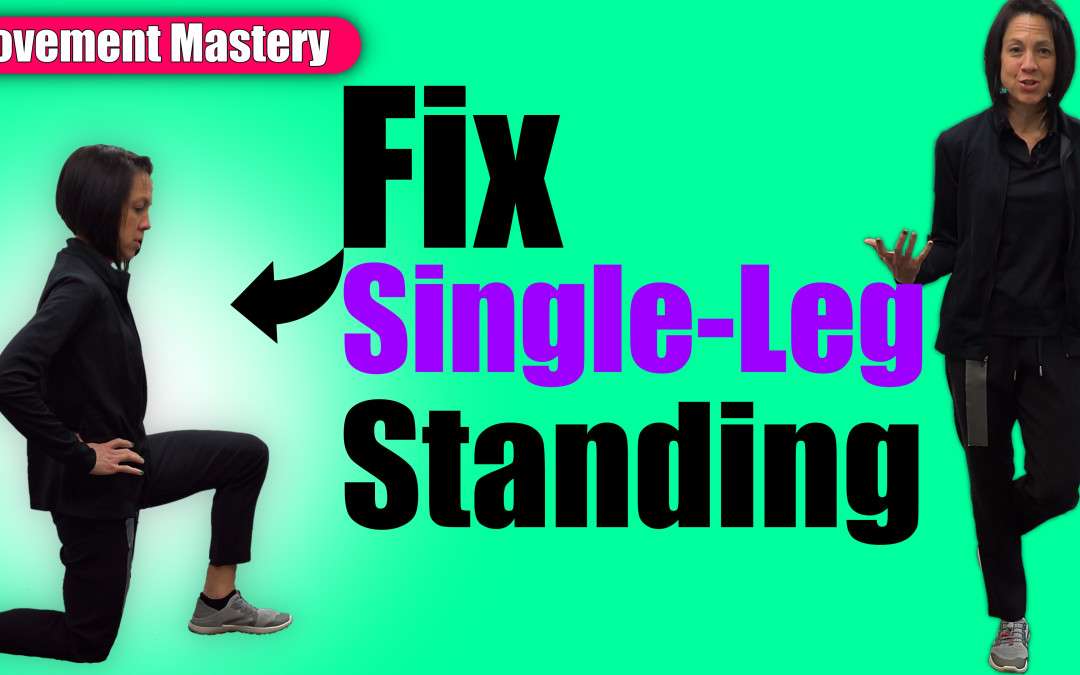
Struggling to Stand on One Leg After a Neurologic Injury? This One Exercise Can Transform Your Walking
https://www.youtube.com/watch?v=avc-5-mIbWk If walking feels unstable, uneven, or effortful after a neurologic injury, the problem often isn’t what most people think. Many individuals focus on: Strengthening the leg Practicing walking more Forcing better...
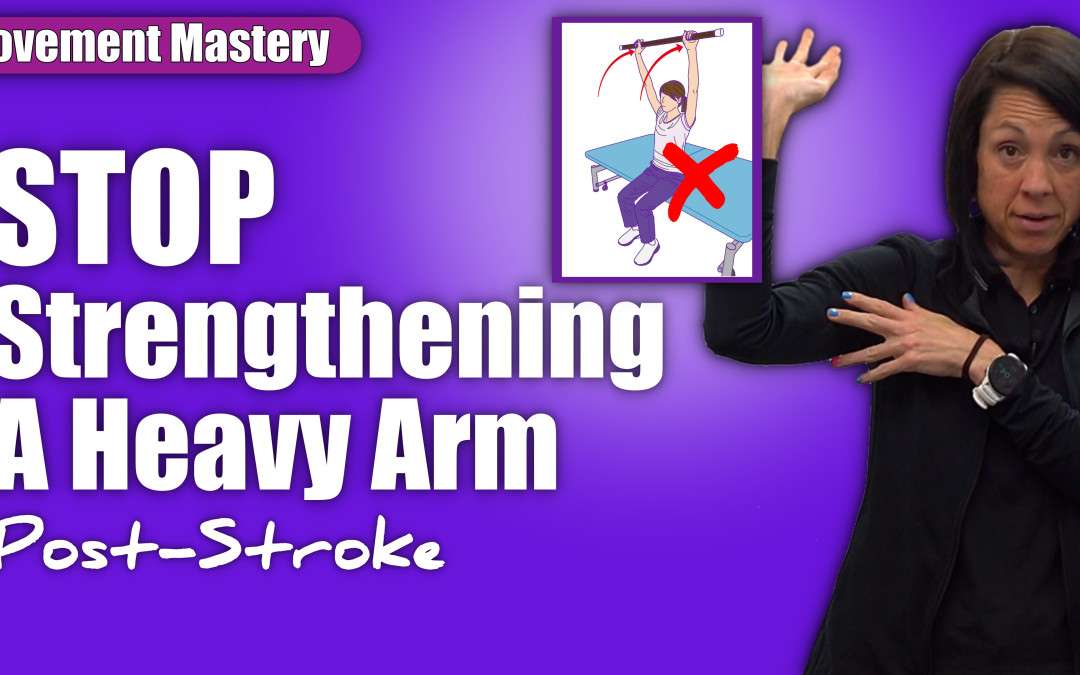
Why Your Arm Feels Heavy After a Neurologic Injury (And What Actually Helps)
https://youtu.be/KR-fSCrrFTE?si=H9xcj23j3suvwzkh If you’ve had a neurologic injury and your arm feels heavy, you’re not alone. Many people recovering from stroke, brain injury, or other neurologic conditions describe their arm as “too heavy to lift,” especially when...
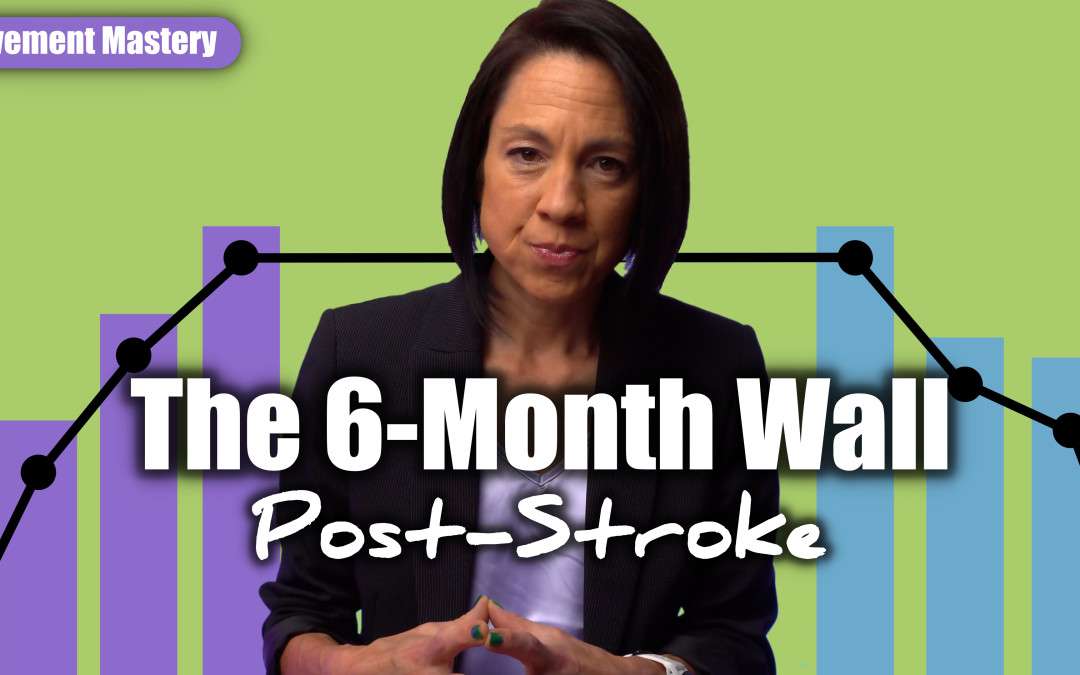
Stroke Recovery Plateau: Why Progress Slows at 3–6 Months
https://www.youtube.com/watch?v=N47aVcYNrO8 If you’ve had a stroke or neurologic injury, you may have experienced this: At first, progress feels fast.You’re checking off milestones almost daily. Then suddenly… it slows down. Or even stops. If you’re in that 3–6...

Improve Your Swing Phase: 3 Drills for Stiff Leg Walking
https://www.youtube.com/watch?v=xiPb31stPzQ If your leg feels stiff, heavy, or like it won’t move smoothly when you walk, you may be experiencing a swing-phase coordination problem, one of the most common causes of inefficient walking after neurologic injury. This...

Stiff-Leg Gait After Stroke: Why Your Knee Won’t Bend
https://www.youtube.com/watch?v=fBl9zW1qddE If you’re recovering from a stroke or neurologic injury and feel like your leg is stiff, heavy, or won’t bend when you walk, you are likely dealing with a stiff-leg gait. This is one of the most common walking problems after...
Foot Drop vs Spasticity
Why Your Foot Keeps Catching When You Walk After Stroke or Neurologic Injury https://www.youtube.com/watch?v=FoYV4lgtsOU If your foot keeps catching on the ground when you walk, there’s a good chance you’ve been told you have foot drop. But in many cases, that’s not...

Why Stroke Recovery Exercises Stop Working
You Don’t Need More Stroke Recovery Exercises https://www.youtube.com/watch?v=YEh4Sj9mGx0 I know that might sound a little controversial coming from someone who regularly shares exercises for neurologic recovery. But stay with me. By the end of this, you’re going to...


