3 Overlooked Stroke Recovery Exercises That Can Improve Mobility and Walking
If you’ve had a stroke or another neurologic injury, you’ve probably spent hours practicing walking, standing, and strengthening exercises.
But what if some of the most important movement skills for long-term recovery aren’t practiced often enough?
Many people eventually reach a point where progress feels slower—not because recovery has stopped, but because certain foundational movements are missing from their rehabilitation.
Below are three functional movement skills that can improve mobility, confidence, and independence during later stages of recovery.
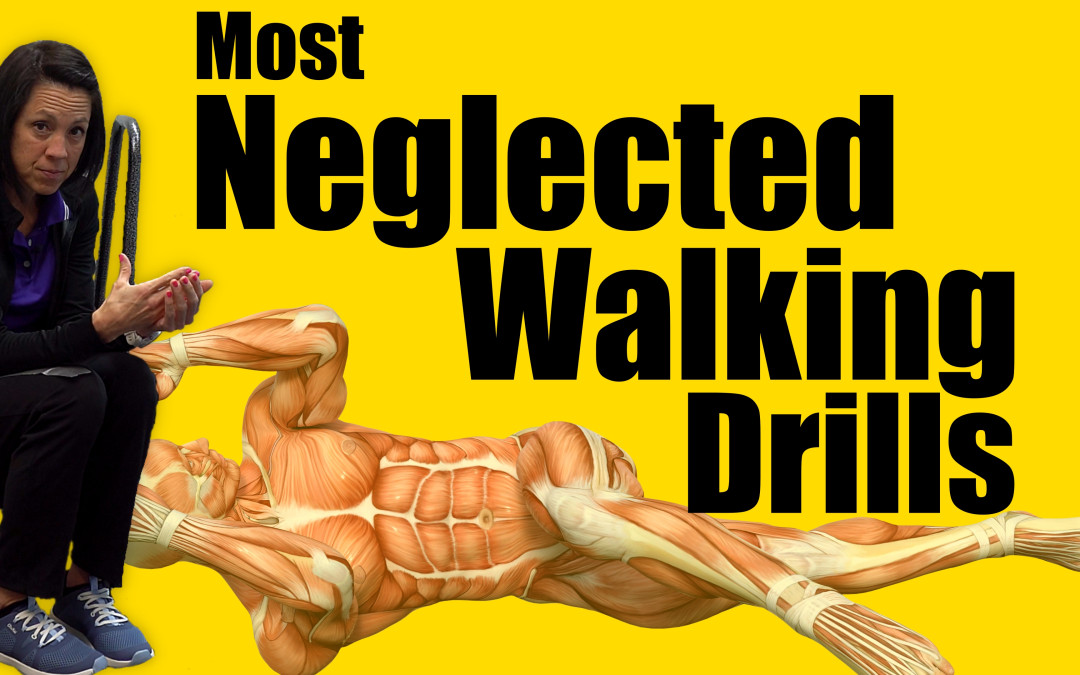
1. Rolling from Your Back to Your Stomach After a Stroke
Rolling may seem like a basic movement, but it is one of the most important foundations for recovery.
Learning to roll onto your stomach helps you:
- Prepare for safely getting up from the floor
- Improve weight-bearing through your arms
- Activate the muscles along your back (your posterior chain)
- Improve hip and lower back mobility after spending long periods sitting
This movement also prepares your body for more advanced activities like crawling, kneeling, and eventually returning to the floor safely.
2. Why Stepping Backward Is Important After a Neurologic Injury
Most rehabilitation programs spend a lot of time practicing walking forward.
However, stepping backward challenges your balance and coordination in completely different ways.
Practicing backward stepping can help:
- Improve balance reactions
- Build confidence when changing directions
- Encourage more normal movement patterns
- Prepare your body for stairs, hills, and everyday activities
Even if the movement isn’t perfect at first, practicing it safely under the guidance of your therapist can provide valuable benefits.
3. Learning to Get Closer to the Floor
Many people become fearful of getting down close to the floor after a stroke.
Unfortunately, avoiding these movements can actually make recovery harder.
Working on controlled lowering movements, supported kneeling, and gradually becoming comfortable near the floor can help:
- Improve leg strength
- Increase hip mobility
- Build confidence
- Prepare you for safely getting up after a fall
These skills are often overlooked but become increasingly important as recovery progresses.
Why These Foundational Movements Matter
Recovery isn’t just about walking farther.
It’s about building movement skills that make everyday life safer and more independent.
Small foundational exercises often become the building blocks for:
- Better balance
- Improved walking
- Stair climbing
- Fall recovery
- Greater confidence moving at home and in the community
Want the Complete Training?
This article only introduces these three foundational movement skills.
Inside the Rehab HQ Gold Membership, you’ll get:
- Step-by-step exercise demonstrations
- Progressions for different recovery levels
- Monthly webinars
- Live Q&A sessions
- An extensive Exercise Vault designed specifically for people recovering from stroke and other neurologic injuries
Join Rehab HQ today and take the next step in your recovery.
Articles you may be interested in
Does Stroke Recovery Ever End? How to Improve Walking Years After a Stroke
https://www.youtube.com/watch?v=EkgoxFfroX4 If you have had a stroke, you may wonder how long recovery will take. Will you walk normally again? Is it still worth doing exercises years after your stroke? And how do you know when you have reached your full...

Why Pain and Nutrition Matter for Spasticity After Stroke
https://www.youtube.com/watch?v=_EdQGkOx4kw Have you ever woken up one morning feeling like your affected leg is moving a little more easily, only to find that the next day your ankle feels stiff, your foot wants to point downward, or your arm feels tighter...

Why Is Spasticity Worse Some Days? 3 Factors That Can Affect Spasticity After Stroke
https://www.youtube.com/watch?v=iBcU4c8kiqc If you live with spasticity after a stroke or other neurologic injury, you may have noticed something frustrating: Some days your muscles feel relatively loose and manageable. Other days, they seem much tighter. Your...

Spasticity Treatment After Stroke: Why Stretching Alone Isn’t Enough
https://www.youtube.com/watch?v=Vw8Y55f-sLY If you experience muscle stiffness, involuntary contractions, or difficulty moving your arm or leg after a stroke or neurologic injury, you've probably been told to stretch. But what if stretching alone isn't enough?...

Spasticity After Stroke: Why Your Muscles Feel Stiff
https://www.youtube.com/watch?v=mvDk3dMmc6E Muscle stiffness is one of the most common movement problems after a stroke or neurologic injury. Your arm may want to stay bent, your knee may feel stiff when walking, or your ankle and foot may constantly point...

Red Light Therapy After Stroke: Can It Help Support Brain Recovery?
https://www.youtube.com/watch?v=BFJzu1f2jEE Recovering after a stroke involves more than rebuilding strength or practicing movements. The brain itself is going through changes that can affect energy production, inflammation, blood flow, and its ability to form...

How to Improve Backward Stepping After a Stroke or Neurologic Injury
https://www.youtube.com/watch?v=FdYMY6Xj1fM Walking forward gets most of the attention in neurologic rehabilitation. But there is another movement that can have a major impact on your balance, confidence, and independence: Stepping backward. Think about how...

Stroke Recovery Treatments: How to Tell What May Actually Help
https://www.youtube.com/watch?v=nZWj2vVtDfw After a stroke or neurologic injury, it’s natural to look for anything that might improve recovery. Supplements. Devices. Electrical stimulation. New procedures. Hyperbaric oxygen therapy. Products promising to...

Finished Physical Therapy But Still Struggling to Walk? What to Do Next After Neurologic Injury
https://www.youtube.com/watch?v=WDf-dB2imTc Have you been told that you've met all of your physical therapy goals, but you still don't feel like you're moving normally? Maybe you can walk independently, but your walking still feels awkward or exhausting. Maybe...

Dead Leg After Stroke: Why Your Leg Won’t Move and How to Wake It Up
https://www.youtube.com/watch?v=cw7PIULok74 If your leg feels completely “dead” after a stroke—like you can think about moving it, try to move it, and nothing happens—you may be dealing with more than simple weakness. For some stroke survivors, the affected leg...


