
A neurologic therapist’s guide to building a strong recovery foundation—starting with what most programs overlook.
Before You Set Your Next Goal, Let’s Take a Step Back
It’s a new year. And everywhere you look, people are talking about goals.
But when it comes to recovery from stroke or neurologic injury, jumping straight into goal-setting might not be the best move. It can even slow your progress if you skip the step that matters most—building a strong foundation.
Think of it like building a house. Before you choose the furniture or hang the curtains, you need a strong base. Otherwise, nothing stays standing.
Here’s what to focus on before setting your next recovery goal.
Step 1: Know Your Brain
If you don’t know what part of your brain was affected, it’s hard to know what your recovery should look like. Different areas of the brain control different things—like movement, language, or emotion.
You also want to understand your overall health. Things like your A1C, blood pressure, and cholesterol can affect how well your brain rewires and heals.
Try this: Ask your doctor for a copy of your labs. Use them to learn what might be helping—or slowing down—your brain’s recovery.
Step 2: Make Space for Grief
Many people rush into rehab without stopping to acknowledge what they’ve lost.
You might be grieving your independence, your job, your energy, or even the way you thought your life would go. That’s not weakness. It’s human.
People who allow themselves to feel this grief often make stronger progress. Not because they work harder, but because they’re honest about where they are.
Try this: Take 10 minutes to write down what feels different since your stroke. Give yourself permission to feel whatever comes up.
Step 3: Support Your Brain with Food
Your brain is trying to repair and rewire. It needs the right fuel to do that.
Nutrition doesn’t have to be complicated. Start by removing ultra-processed foods. Eat real protein at every meal. Add fiber through fruits, vegetables, and whole foods.
Try this: Choose one processed food you eat regularly and replace it with a whole food version this week.
Step 4: Protect Your Sleep
Sleep is when your brain cleans up, resets, and heals. If you’re not sleeping well, your recovery can slow down.
Snoring, waking up often, or feeling tired all day could be signs of a sleep disorder. Talk to your doctor about a sleep study if something feels off.
Try this: Go to bed 30 minutes earlier tonight. Turn off screens and lower the lights in your room to help your brain wind down.
Step 5: Move with Purpose
Movement is powerful—but it’s most effective when the rest of your foundation is in place.
You don’t need to do more, you just need to move with intention. Stand more than you sit. Walk if it’s safe. If not, explore ways to stay active from a seated position.
Try this: Choose one activity each day to do while standing, like brushing your teeth or talking on the phone.
Reflect on Your Foundation
Now take a moment to ask yourself:
-
What do I know about my brain injury?
-
Have I taken time to grieve what’s changed?
-
Am I feeding my brain what it needs?
-
Is my sleep helping or hurting my recovery?
-
How can I add more movement into my day?
You don’t have to do everything perfectly. Just pick one place to start.
You’re Not Behind. You’re Building.
Recovery is not about rushing forward. It’s about growing stronger from the ground up.
Before you set your next goal, ask yourself if your foundation is ready. When it is, your effort will go further—and your progress will feel more steady.
You’re not starting over. You’re starting stronger.
Articles you may be interested in
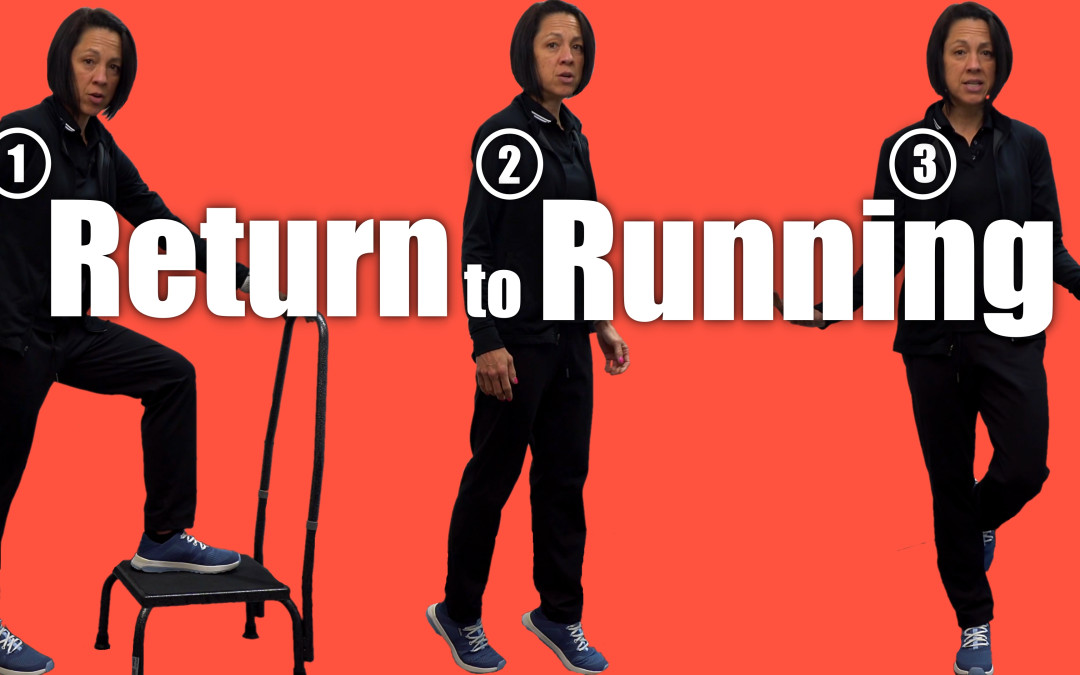
Plyometric Exercises After Neurologic Injury: A Progression for Returning to Running
https://www.youtube.com/watch?v=Y9VQIUpnDEQ If you’ve had a neurologic injury and your goal is to eventually return to running, rebuilding strength and balance is only part of the process. Running also requires your muscles to produce quick, coordinated...
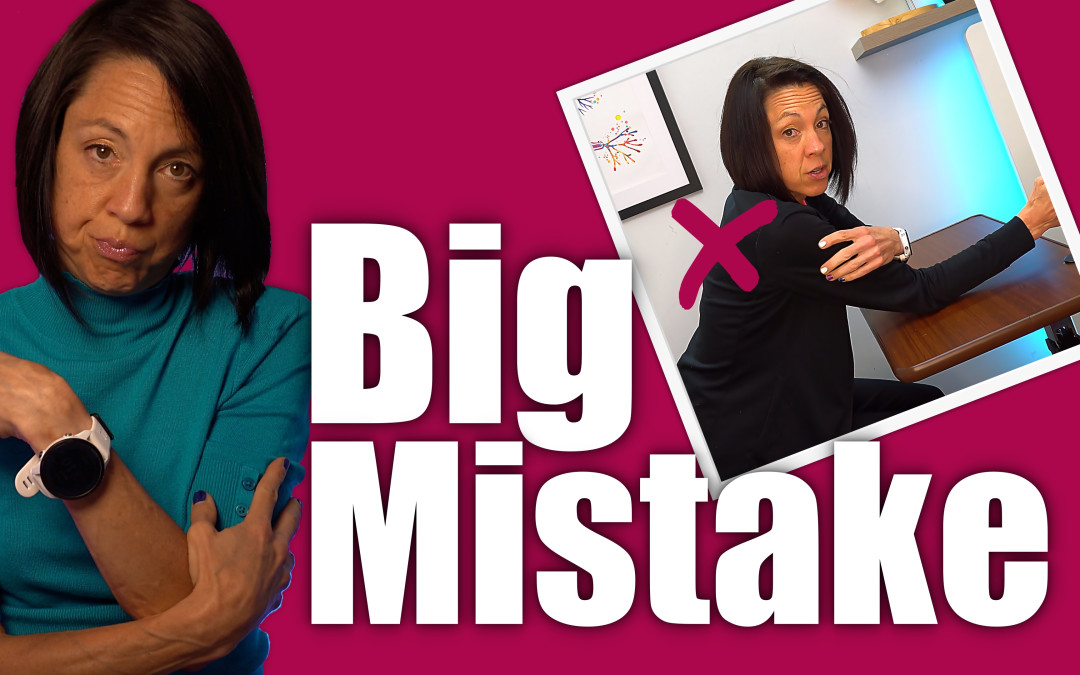
How to Choose the Right Arm Weight Bearing Exercise After Stroke
https://www.youtube.com/watch?v=rmcNzuq3GeY Not All Weight-Bearing Exercises Are the Same If you've been told to practice arm weight-bearing exercises after a stroke or neurologic injury, you may be asking: "Which exercise should I be doing?" The answer is...
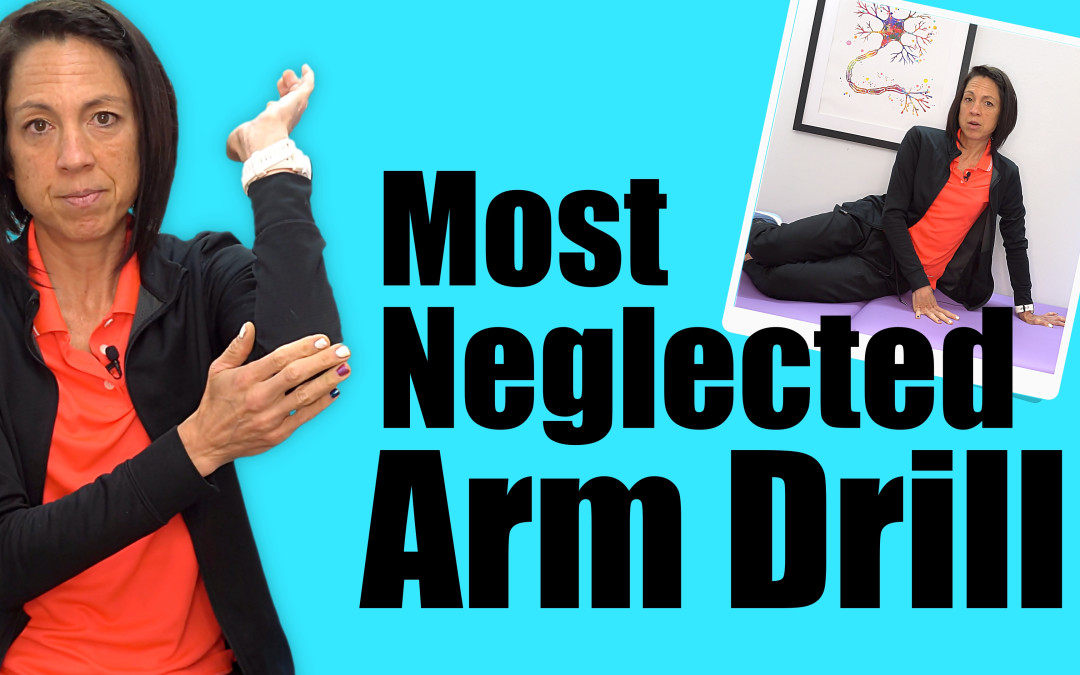
Arm Weight Bearing After Stroke: Why It May Be the Missing Piece in Your Recovery
https://www.youtube.com/watch?v=by-4QW-2iTY Have you ever wondered why your physical therapist spent so much time having you lean through your arm or support yourself on your elbow? It may have seemed like a simple exercise, but arm weight bearing is one of...
3 Overlooked Stroke Recovery Exercises That Can Improve Mobility and Walking
https://www.youtube.com/watch?v=LltecnPKyBg 3 Overlooked Stroke Recovery Exercises That Can Improve Mobility and Walking If you've had a stroke or another neurologic injury, you've probably spent hours practicing walking, standing, and strengthening...
The Best Protein for Stroke Recovery: How Nutrition Can Support Brain Healing After a Neurologic Injury
https://www.youtube.com/watch?v=4KUV21yFRTM The Best Protein for Stroke Recovery: Why It Matters More Than You Think Recovering from a stroke or other neurologic injury isn't just about doing more exercises. Your brain is working every day to repair...
Stroke Recovery Goals: Why You May Have “Graduated” Physical Therapy But Still Don’t Move Normally
https://www.youtube.com/watch?v=si--VF1yBhc&t Have you ever been told you've met all of your physical therapy goals, yet you still don't feel like you're moving the way you want to? Maybe your leg swings out to the side when you walk. Perhaps your foot...
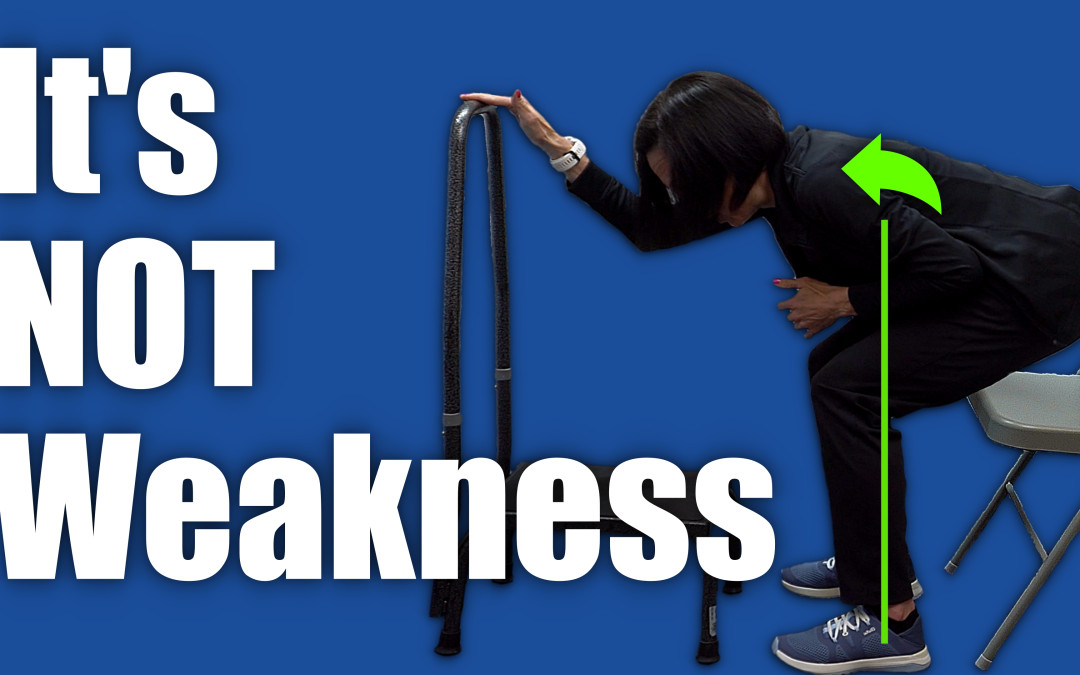
How to Get Up From a Squat After Stroke, Foot Drop, or a Neurologic Injury
https://www.youtube.com/watch?v=rxXxtLPA0Bc If you've ever avoided picking something up from the floor because you weren't sure you could stand back up, you're not alone. For many people living with stroke, Parkinson's disease, multiple sclerosis, spinal...
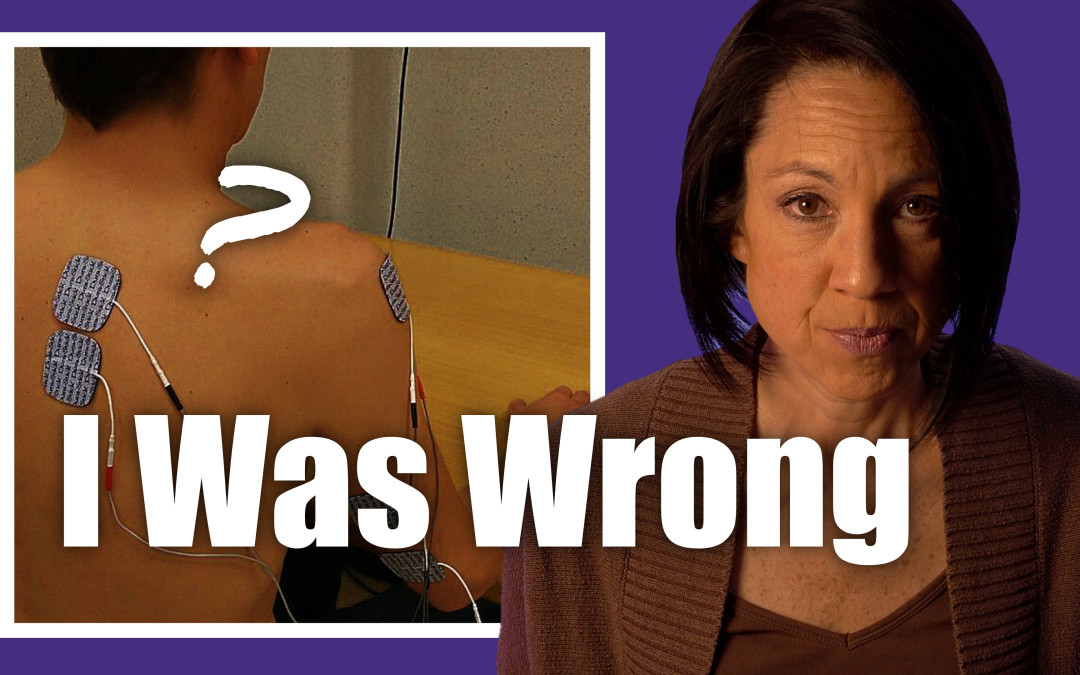
Does Functional Electrical Stimulation (FES) Really Help Foot Drop After Stroke or Neurologic Injury?
https://www.youtube.com/watch?v=LX0v6xTlkRU If You Have Foot Drop After a Stroke, Should You Use Functional Electrical Stimulation? If you've experienced a stroke, traumatic brain injury, spinal cord injury, or another neurologic condition, you've probably seen...
How Many Repetitions Should You Do After a Stroke? The Answer May Surprise You
https://www.youtube.com/watch?v=CaqMujGMXTI One of the most common questions people ask during recovery is: "How many reps should I do?" It's a reasonable question. In traditional fitness, repetition counts are a cornerstone of progress. But when your goal is...

How to Improve Walking After Stroke: The Missing Link Most People Overlook
https://www.youtube.com/watch?v=bCbsX8iQu_Y&t=636s If you struggle with foot drop, ankle weakness, poor balance, or an uneven walking pattern after a stroke or neurologic injury, there's a good chance you're spending significantly less time standing on your...


