The Real Impact of Neuro Rehab on Recovery
Recovering after a stroke often involves long hours of rehabilitation. Neuro rehab programs are designed to retrain the brain and body, helping survivors regain independence. Understanding the difference can help you make the most of your therapy and stay motivated on your rehabilitation journey.
What is Compensation?
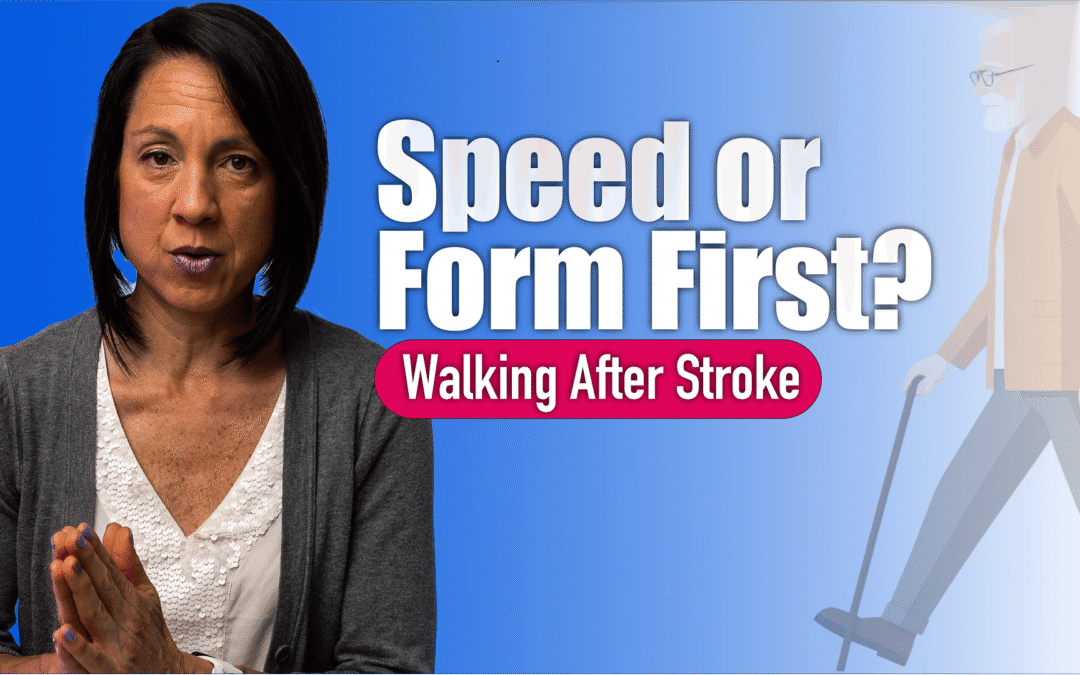
This is about finding ways to get things done, even if the movement isn’t perfect. The focus is on speed and independence, using your stronger, unaffected side to assist with daily activities. For example, reaching for a cup quickly, even if your arm swings awkwardly.
Walking Focus: Therapists who emphasize compensation prioritize walking faster and longer, even if your movement isn’t ideal. The goal is function and independence, not perfect form.
Think of compensation as a way to keep moving forward safely, allowing you to perform tasks and participate in daily life without relying entirely on your affected side.
What is Facilitation?
This emphasizes performing movements correctly and efficiently, even if it takes longer. The goal is to retrain the brain and body in a healthy, sustainable way, reducing the risk of compensation or long-term pain. For example, lifting that cup with proper shoulder alignment and controlled movement.
Walking Focus: Therapists using facilitation may slow you down or reduce walking distance temporarily to focus on correct leg movement, posture, and coordination.
Facilitation is all about long-term improvement, preventing compensatory habits that could cause pain or imbalance later on.
When Neuro Rehab May Hurt Instead of Help
Unfortunately, not all neuro rehab programs are equal. Sometimes, therapy may unintentionally hold recovery back.
Common issues include:
-
Outdated methods: Some programs still rely on passive movements or techniques that don’t promote real neuroplasticity.
-
Overuse and pain: Pushing too hard or too soon can lead to shoulder pain, fatigue, or frustration.
-
One-size-fits-all approach: Recovery varies widely, and therapy that isn’t individualized may waste time or stall progress.
-
Neglect of emotional needs: Focusing only on the physical side while ignoring depression, anxiety, or motivation can slow healing.
Which Approach Should You Focus On?
The right approach depends on:
-
How long it has been since your stroke
-
The severity of your stroke and which parts of your body were affected
-
Your personal goals and daily life needs
Early Recovery 0-18 months: Facilitation is often more effective in the first months after a stroke, when the brain is most adaptable. Retraining movement patterns early can prevent long-term compensations that may be harder to correct later.
Later Recovery +18 months: Compensation may become more important if your main goal is independence and safety in daily life, especially when full recovery of the affected side is limited.
The most effective neuro rehab programs balance these two: starting with careful, high-quality movements, then gradually increasing speed and functional independence as the brain adapts.
The Bottom Line
Neuro rehab can be life-changing, but only when it’s done right. The best programs are personalized, evidence-based, and focused on both physical and emotional recovery. Balancing speed/function with form/quality ensures you regain independence safely and sustainably. If your therapy feels like it’s holding you back, it may be time to re-examine your options and explore approaches that truly support healing.
Neuro rehab should help you move forward, not leave you stuck. Ask the hard questions, demand individualized care, and remember: progress is possible.
Articles you may be interested in

Why Pain and Nutrition Matter for Spasticity After Stroke
https://www.youtube.com/watch?v=_EdQGkOx4kw Have you ever woken up one morning feeling like your affected leg is moving a little more easily, only to find that the next day your ankle feels stiff, your foot wants to point downward, or your arm feels tighter...

Why Is Spasticity Worse Some Days? 3 Factors That Can Affect Spasticity After Stroke
https://www.youtube.com/watch?v=iBcU4c8kiqc If you live with spasticity after a stroke or other neurologic injury, you may have noticed something frustrating: Some days your muscles feel relatively loose and manageable. Other days, they seem much tighter. Your...

Spasticity Treatment After Stroke: Why Stretching Alone Isn’t Enough
https://www.youtube.com/watch?v=Vw8Y55f-sLY If you experience muscle stiffness, involuntary contractions, or difficulty moving your arm or leg after a stroke or neurologic injury, you've probably been told to stretch. But what if stretching alone isn't enough?...

Spasticity After Stroke: Why Your Muscles Feel Stiff
https://www.youtube.com/watch?v=mvDk3dMmc6E Muscle stiffness is one of the most common movement problems after a stroke or neurologic injury. Your arm may want to stay bent, your knee may feel stiff when walking, or your ankle and foot may constantly point...

Red Light Therapy After Stroke: Can It Help Support Brain Recovery?
https://www.youtube.com/watch?v=BFJzu1f2jEE Recovering after a stroke involves more than rebuilding strength or practicing movements. The brain itself is going through changes that can affect energy production, inflammation, blood flow, and its ability to form...

How to Improve Backward Stepping After a Stroke or Neurologic Injury
https://www.youtube.com/watch?v=FdYMY6Xj1fM Walking forward gets most of the attention in neurologic rehabilitation. But there is another movement that can have a major impact on your balance, confidence, and independence: Stepping backward. Think about how...

Stroke Recovery Treatments: How to Tell What May Actually Help
https://www.youtube.com/watch?v=nZWj2vVtDfw After a stroke or neurologic injury, it’s natural to look for anything that might improve recovery. Supplements. Devices. Electrical stimulation. New procedures. Hyperbaric oxygen therapy. Products promising to...

Finished Physical Therapy But Still Struggling to Walk? What to Do Next After Neurologic Injury
https://www.youtube.com/watch?v=WDf-dB2imTc Have you been told that you've met all of your physical therapy goals, but you still don't feel like you're moving normally? Maybe you can walk independently, but your walking still feels awkward or exhausting. Maybe...

Dead Leg After Stroke: Why Your Leg Won’t Move and How to Wake It Up
https://www.youtube.com/watch?v=cw7PIULok74 If your leg feels completely “dead” after a stroke—like you can think about moving it, try to move it, and nothing happens—you may be dealing with more than simple weakness. For some stroke survivors, the affected leg...

Plyometric Exercises After Neurologic Injury: A Progression for Returning to Running
https://www.youtube.com/watch?v=Y9VQIUpnDEQ If you’ve had a neurologic injury and your goal is to eventually return to running, rebuilding strength and balance is only part of the process. Running also requires your muscles to produce quick, coordinated...


